The Ripple Effects Study brings together Living Water International, an independent evaluation consultancy, and a long-time philanthropic partner, supported by an academic advisory council.
Living Water International is the study sponsor and the developer of the WASH Program Area model. Over a decade and a half, it has completed 16 of these programs across 9 countries.
Aleisha Elliott (Director of Monitoring, Evaluation, and Learning) leads the study as Principal Investigator. Jennifer Selph serves as Project Manager. Jonathan Wiles is the executive sponsor.
Living Water is publishing the study openly so that other practitioners, researchers, and funders can build on the findings.

Radiant Global Insights is an independent research and evaluation consultancy with a mission to help organizations understand and improve their effectiveness—and to communicate results to funders and stakeholders in ways that are rigorous, accessible, and compelling.
Radiant Global brings deep WASH-sector and Christian NGO expertise to Ripple Effects and leads all phases of the study: desk review, quasi-experimental design and propensity score matching, primary data collection across six countries, and final reporting, with findings positioned for peer-reviewed publication in 2027 and 2028.
The firm is led by CEO Kate Williams-Whitley.

The Rees-Jones Foundation is the lead funder of the Ripple Effects Study.
The Foundation has been a long-time supporter of Living Water programs and provides the principal grant that makes this study possible. This support reflects a commitment to rigorous, independent evaluation of the programs it funds.
The Rees-Jones Foundation is committed to “serving God by serving others” across the globe. Their priority funding areas include child welfare, animal welfare, disability care, evangelism and discipleship, and youth formation across North Texas, where they are headquartered. Internationally, they have a longstanding interest in disability care, economic development, and justice.
An academic advisory committee supports the study design, methodology, and dissemination. Members bring expertise across WASH-sector evaluation, mixed-methods research, holistic development, and integral mission.
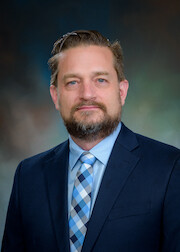
Associate Professor, Department of Population Health & Health Disparities, UTMB School of Public and Population Health
Michael Goodman brings 15+ years of community-led public health research in Sub-Saharan Africa to the council. His work spans implementation science, structural and social determinants of health, and the measurement of community resilience. He is the architect of the Flourishing Community Model, a socio-ecological framework for sustainable transformation that informs the study's holistic-outcomes measurement.
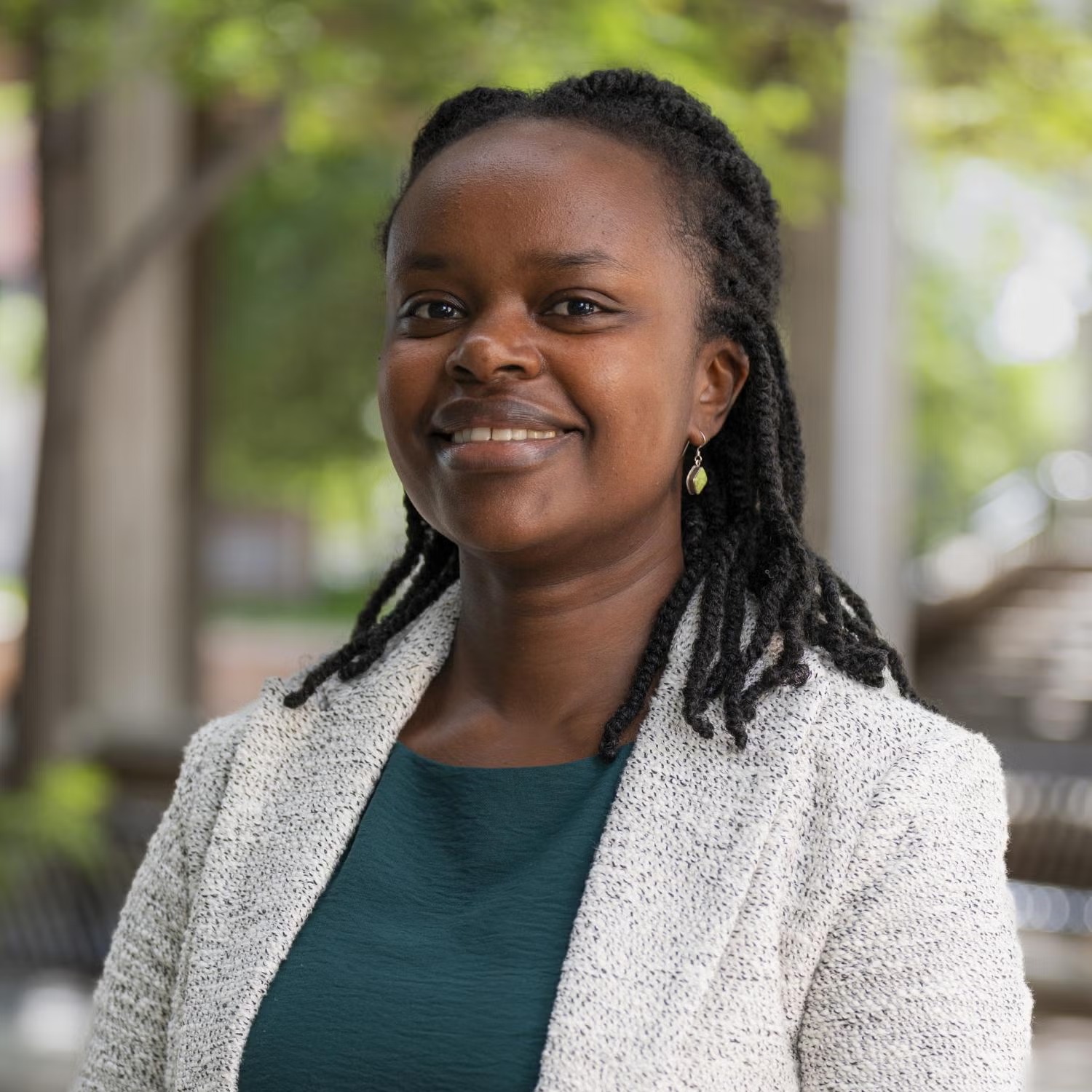
Assistant Teaching Professor, Integrated Design Engineering, University of Colorado Boulder
Chantal Iribagiza is an environmental engineer whose published research has examined cellular instrumentation on rural handpumps in Rwanda, electronic sensors for monitoring rural water infrastructure in Nigeria, and peri-urban water service delivery in the DRC. She previously worked as a water infrastructure engineer in Rwanda and as a consultant for the World Bank. Her work sits directly on the methodological territory the study is investigating.

Global Lead, Data Integrity, Uptime Global
Andrew Armstrong leads data verification and validation at Uptime Global. His doctoral research at the University of Oxford examined revenue generation from user payments for rural piped water services, and he previously spent a decade at Water Mission leading global advisory work on sustainable service delivery, MEL, and behavior change. He holds an MSc from UNC's Water Institute and is a licensed environmental engineer.
Join the practitioners, researchers, and funders who'll use this study to build on their own work. One email when Phase 1 publishes in August 2026; one when Phase 2 publishes in 2027. Nothing else.
